
Own your brand
Platforms rent you an audience. Your site is the part you own.
Your followers live on someone else’s servers, under someone else’s rules. A site with your name on it is the one place that only changes when you decide it should.
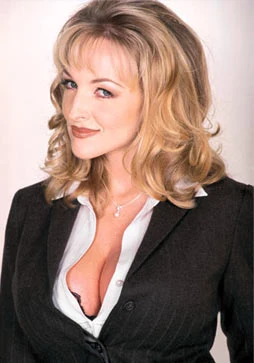
The original own-your-name playbook
Before social media, Danni built the platform.
Other people were circulating her photos online. Danni Ashe did not wait for a platform to protect her identity. She taught herself HTML, built her own website in two weeks, and launched Danni’s Hard Drive in July 1995.
“Creating a place that people will want to visit again and again and tell their friends about.”
She grew the business through publicity, owned the brand outright, and turned her name into an internet company. The point is not to copy her business. The point is to copy the move: make your audience come to your address, under your name.
2021: the rules changed in a week
In August 2021, one of the largest creator subscription platforms announced it would ban a major category of the content its creators relied on, starting that October. It said pressure from banks and payment partners was behind the change. Six days later, after a wave of backlash, it reversed the decision.
It worked out that time. But for six days, creators were reminded that their income sat on a policy page they didn’t write.
Platforms change owners, fees, algorithms and rules. That’s their right. Your own site doesn’t change unless you do.
What “owning it” looks like today
- Your own domain, chosen and registered for you, held on your behalf and transferable to you anytime. A stage name is all the site needs.
- A site that ranks for your name, so searches land on you instead of fakes or leak pages.
- Every platform linked from one place you control. If one platform changes, you update one button, not your whole audience.
- A watch on your name, so you hear about impostors from us, not from your fans.
Sources
- Danni Ashe, interview with FRONTLINE (PBS), conducted May 2001: quotes, the 1994–95 origin story, the 2001 revenue figure (her own statement) and the company’s technology business.
- Wikipedia: Danni Ashe (July 1995 launch, self-taught HTML, two-week build, 2004 sale), citing Tibbals & Worthen (Routledge, 2021).
- The 2021 platform policy reversal: BBC News (20 Aug 2021), CNN (20 Aug 2021) and CNBC (25 Aug 2021).